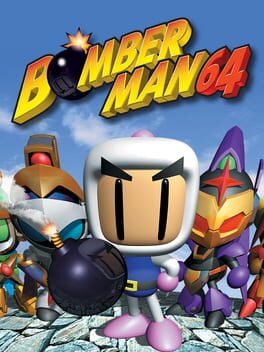
1999 · HAL Laboratory · strategy · Nintendo
Why this one is in the canon, and how to start it well.
No corrections logged for this guide yet. Spot something wrong? Use “Report an error” on any section above.
Stadium also drew the rental-versus-trained line that shaped cheat-device culture around the series. Rental Pokémon were viable but predictable; your own transfers could carry IV-bred monsters, TM movesets, and glitch-cloned legendaries that Game Boy GameSharks made possible. The Round 2 unlock—80 brutally difficult rematches—was nearly unbeatable without either hundreds of hours of legitimate grinding or a GameShark’s instant-level-100 codes. This split the playerbase: casual renters enjoying the spectacle, and hardcore trainers who’d used cheat devices to build the perfect six. Pokémon Stadium didn’t invent save-game modification, but it was the first Nintendo title where the gap between legitimate and device-assisted play became a living-room flex.
Spot a mistake? Sign in to report it.
Plug in your Transfer Pak and Game Boy cartridge immediately. Rental Pokémon are weak—fixed movesets, mediocre stats, no customization. Your trained team from Red/Blue/Yellow is mandatory for Round 2 (the secret mode unlocked after beating Mewtwo) and gives you a massive edge in every Cup.
Start with Pika Cup if you’re new; Poké Cup if you brought your own team. Pika Cup restricts entries to unevolved forms (Pikachu, Squirtle, Geodude) and rental squads are viable here. Poké Cup allows anything and rentals get destroyed by trained opponents.
Learn type matchups before you queue. Stadium has no tutorial; it assumes you know Fire beats Grass, Water beats Fire, Psychic walls Fighting. The AI exploits weaknesses ruthlessly—bring a balanced six-Pokémon roster or you’ll get swept by a single Alakazam.
Save between rounds in each Cup. You can’t save mid-tournament, but Stadium auto-saves after each three-battle round. Lose the fourth match and you restart the entire Cup from Round 1.
Ignore the mini-games initially. Sushi Go-Round and Clefairy Says unlock after your first Cup clear. They’re fun distractions but don’t help you progress—focus on tournaments first.
Check the Gallery for team-building ideas. The Gallery (unlocked after any Cup win) shows every Pokémon’s rental moveset. Study what the AI brings to each match; it telegraphs the meta.
Expect Round 2 to require Level 100 teams. The secret mode post-Mewtwo is balanced for endgame cartridge squads. If your Game Boy team is under Level 80, grind the Elite Four or Victory Road before attempting it.
Spot a mistake? Sign in to report it.
Rental Pokémon cap at level 50 with fixed movesets — fine for casual matches, worthless once you hit later Stadium Cup tournaments or Round 2. The difficulty spike is deliberate; the game expects Transfer Pak imports with proper EVs and TM coverage.
Type advantage drives Stadium’s AI harder than raw stats. The CPU reads your team before picking its lineup and counter-picks ruthlessly. Lead with bait, then switch to your real answer.
Sleep and freeze have no turn counters — a frozen Pokémon stays frozen until a Fire move thaws it or RNG shows mercy. Blizzard’s 10% freeze rate and Sing’s accuracy make stall strategies brutally effective, especially in Prime Cup’s anything-goes ruleset.
Earthquake hits your partner in Double Battles. Stadium’s 2v2 format punishes Ground spam; Levitate doesn’t exist yet (Gen III mechanic), so Fly/Dig stalling or Protect become mandatory if you’re running Dugtrio or Rhydon next to a non-Flying teammate.
Dodrio Game Boy Tower speed-up unlocks after clearing Gym Leader Castle — cuts Red/Blue/Yellow gameplay to roughly 2× speed for grinding and hatching. Essential for building a competitive team from scratch via Transfer Pak.
Round 2 enemy Pokémon carry illegal movesets — TM moves their species can’t learn, egg moves without the breeding chain. The AI cheats by design to force adaptation; your cartridge knowledge won’t save you.
Psywave damage is random (0.5× to 1.5× user’s level). Mewtwo’s Psywave at level 100 rolls 1–150 damage — coin-flip whether it OHKOs your counter or tickles it. Plan for variance.
Spot a mistake? Sign in to report it.
The walls players actually hit, and the way through each.
Pika Cup / Petit Cup Rental Pokémon Walls
The early cups lock you into rentals if you lack a Transfer Pak with trained monsters from Red/Blue/Yellow. Rental movesets are deliberately crippled—Raichu gets Thunder with garbage accuracy, Alakazam is stuck with Psybeam instead of Psychic. The AI knows this and punishes it. Prioritize type advantage over stats: bring Water against the Fire specialist even if it’s underleveled. Status moves (Sleep Powder, Thunder Wave) carry disproportionate weight because rental AI doesn’t switch aggressively. Stall with Toxic + Protect on bulky rentals like Snorlax. Import trained Pokémon with optimized movesets and the cups collapse, but rentals are beatable with type-chart discipline and patience.
Round 2 Difficulty Spike (Post-Mewtwo Mode)
Clear all four Stadium cups and Round 2 unlocks with competitive-level AI running perfect IV Pokémon. Players who coasted through Round 1 with a single overleveled Mewtwo hit the wall here—the AI runs counter-strategies and rental options get worse, not better. You need a balanced six-Pokémon team from the Game Boy games. Earthquake spam stops working when the AI predicts it and switches to Levitate Pokémon or Flying-types. Bring status healers (Full Heal, Lum Berry equivalents via held items if playing the Japanese version). The Prime Cup in Round 2 is the true endgame test; TMs from Red/Blue/Yellow become mandatory for coverage moves rentals never carry.
Mewtwo Boss Fight (First Encounter)
Mewtwo arrives at Level 100 with Psychic, Recover, Amnesia, and Swift. Rental Pokémon cap at Level 50-55 in the final cup—you’re fighting a 2:1 stat disadvantage. Psychic one-shots most of your team. Dark-types don’t exist yet (Gen I mechanics), so Bug and Ghost moves are your only super-effective options—but rental Parasect and Haunter are too frail to survive a Swift. The actual answer is stall and chip damage. Use rental Chansey with Soft-Boiled to wall Psychic attacks while Toxic ticks. Mewtwo wastes turns on Amnesia. Bring a physical attacker with Earthquake or Body Slam to finish once poison damage accumulates. This fight teaches you why competitive players value stall strategies.
Spot a mistake? Sign in to report it.
10 of 895 verified codes, free to read. The rest are in the Code Vault.
801727D1 0000801727D3 000050000654 0000810AEE04 03E7800AF048 0000801720E6 00FF800AF735 005A81172106 999981172108 999981172334 9999810AF752 00058028747E 000080171AF8 0001GameShark Labs · SharkVault Founding Membership
Unlock the full guide
9 more sections with membership, including boss strategies, glitches and easter eggs. All 895 codes are in the Code Vault, a one-time $99 purchase.
37 days until GTA VI. Lock in the founding rate for life at $1.99/mo: it stays your price for as long as your membership stays active (standard is $2.99/mo).
When people ask me if I prefer hardware or software emulation. Look at this insane daisy chain of nostalgia! Playing Pokemon Silver inside of Pokémon Stadium 2 via original accessories and controller. All running on MISTER FPGA hooked up to a CRT. Perfection.
Benjamin Horlitz (@blutigerpfad.bsky.social)
Surfaced from external sources, newest first. Not editorially endorsed.· 15 more in this feed.